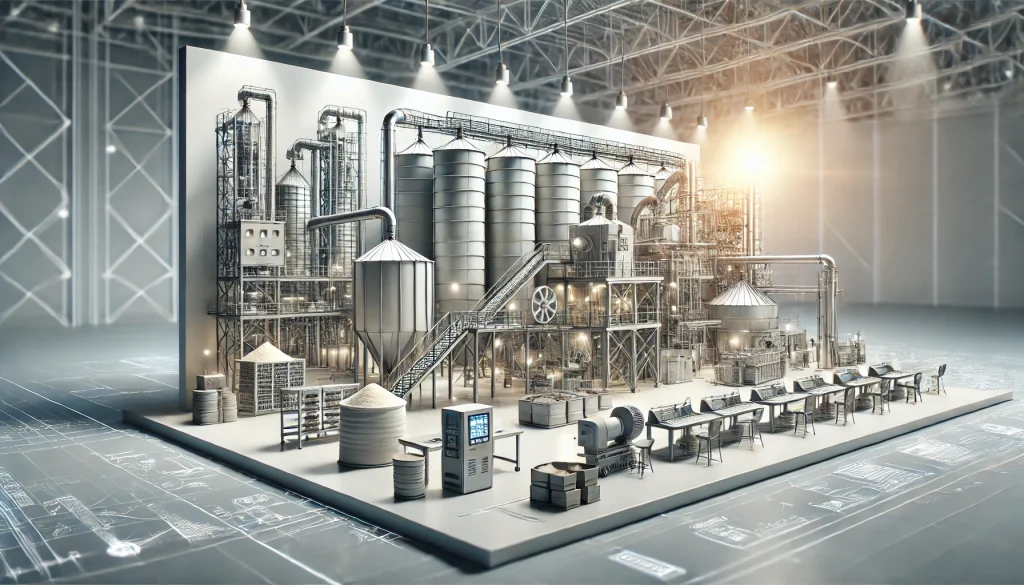
Setting up a flour milling plant—whether for a small scale flour mill or an industrial flour mill—involves careful planning and consideration of various elements to ensure high efficiency and profitability. This guide covers each step, from initial planning and plant setup to operational optimization, providing you with the knowledge to establish a milling plant that meets your production needs and quality standards. Understanding Flour Milling Plant Setup: Choosing the Right Scale Starting with a clear plan for your flour milling plant setup is essential, as it influences the type of equipment, required space, and investment costs. For businesses or entrepreneurs just entering the milling industry, determining whether a small scale flour mill or a full-scale industrial flour mill is the best fit depends on production…
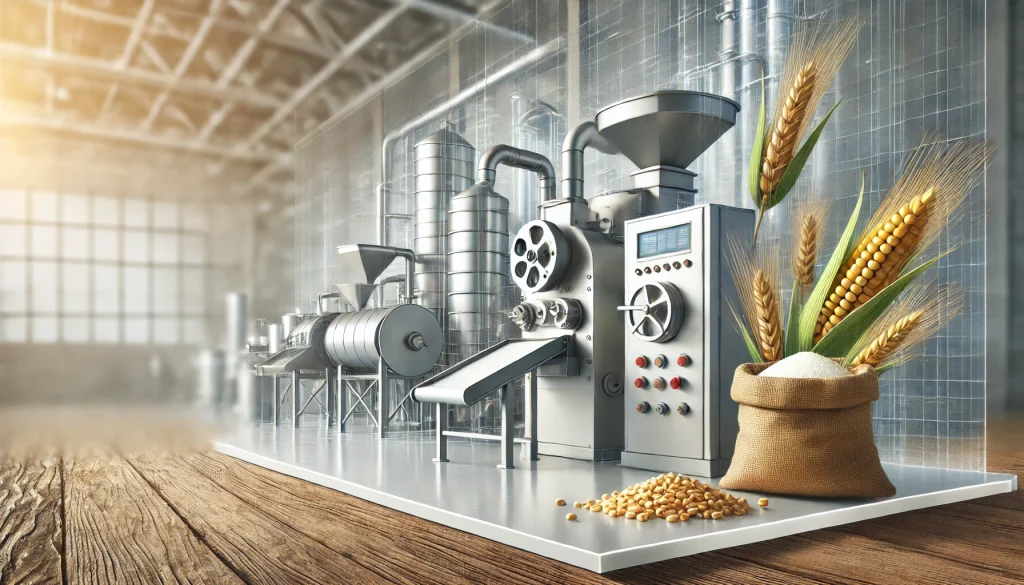
In the world of grain processing, selecting the correct flour mill machine is crucial for producing high-quality flour. The choice between a wheat flour mill machine, a maize flour mill machine, or a roller flour mill machine impacts everything from texture to flavor, nutritional content, and consistency. This guide will help you understand the differences between wheat and maize milling, the specialized machinery needed for each, and the benefits of roller flour mills, so you can make an informed decision. Why Choose Grain-Specific Milling Machines? Grain-specific flour milling machines optimize the milling process for different types of grains. Wheat and maize have unique properties, so their milling processes and machinery requirements differ. While wheat is softer and easier to grind, maize (or corn) has a…
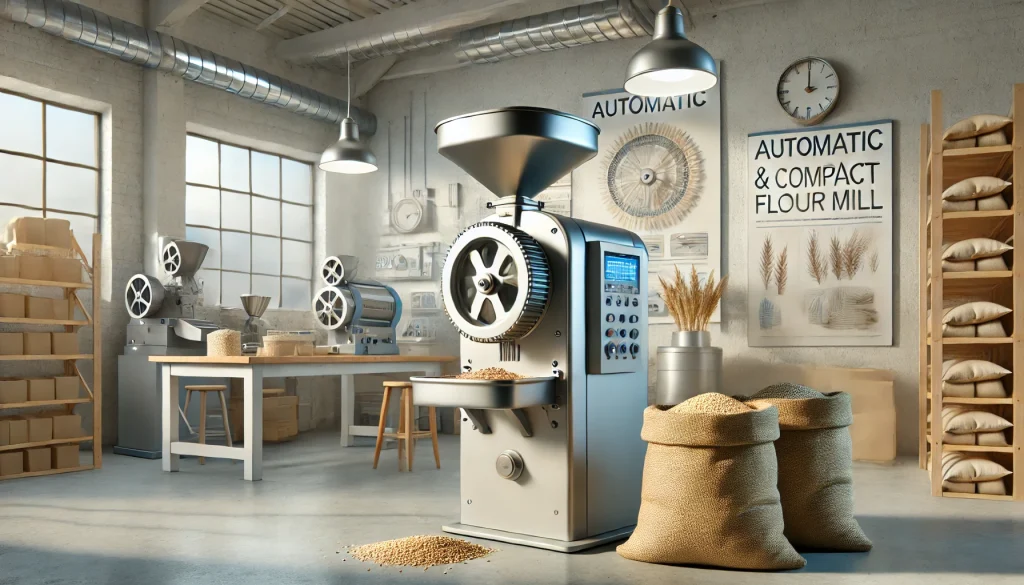
In the ever-evolving world of food production, small to medium enterprises (SMEs) play a critical role. For many SMEs, especially in the bakery, restaurant, and small-scale food processing sectors, having an efficient flour mill can make all the difference. An automatic or mini flour mill is often the best choice for these businesses, providing the right balance of efficiency, ease of use, and cost-effectiveness. In this guide, we’ll explore the benefits and features of automatic and compact flour mills, focusing on how small-scale and mini flour mills can transform your business. What is an Automatic Flour Mill? An automatic flour mill simplifies the milling process, reducing the need for constant supervision. Equipped with automation features, it can handle various stages of grain processing, ensuring a…
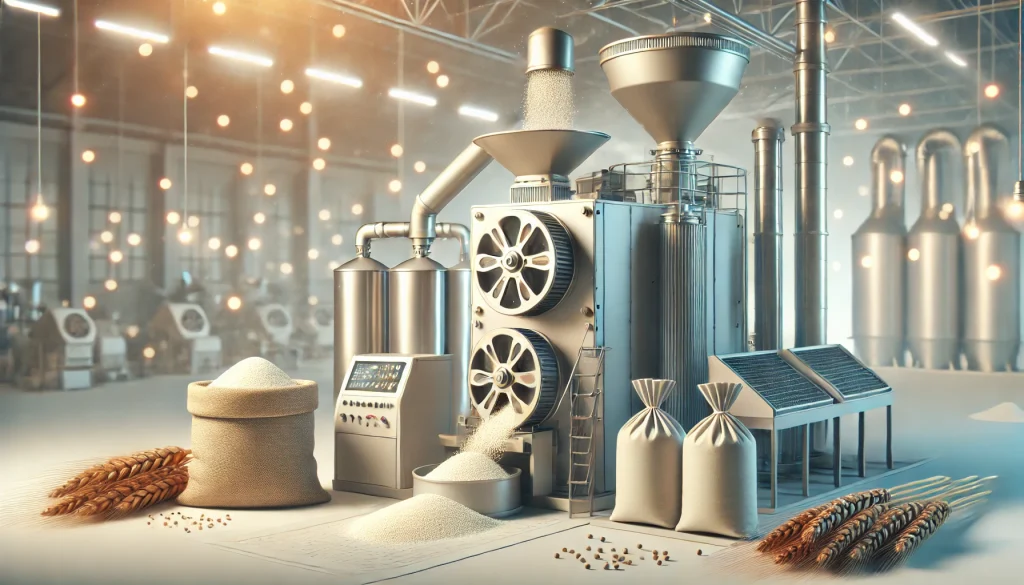
In today’s world of rapid technological advancement, the flour milling industry has transformed considerably. From small-scale, home-based setups to vast industrial operations, flour milling machines have become a crucial component for converting grains into flour efficiently. Whether you’re setting up a new flour mill plant or upgrading your existing setup, understanding the various types of flour milling machines, their features, and industrial applications can help you make the best choice for your needs. Let’s dive deep into the world of flour milling machinery, from general-purpose flour milling machines to the most efficient industrial flour mill options. What is a Flour Milling Machine? Flour milling machines are specialized equipment designed to grind grains like wheat, maize, and rice into flour. These machines come in various types…